
RICHMOND, BC – October 29, 2026 – PRESSADVANTAGE –
Proactive Health, a multidisciplinary clinic in Richmond, British Columbia, is sharing research on the connection between diabetes and adhesive capsulitis for Diabetes Awareness Month in November. The condition, commonly called frozen shoulder, causes pain and a gradual loss of shoulder movement. The release forms part of the clinic’s patient education efforts, which also include resources on physiotherapy for golfers.
A 2016 meta-analysis in the Muscles, Ligaments and Tendons Journal combined data from 18 published studies on adhesive capsulitis and diabetes. The analysis estimated that the shoulder condition affected 13.4% of people with diabetes across 13 of those studies. The remaining five studies examined diabetes among people with adhesive capsulitis and found a prevalence of about 30%.
Health Canada’s calendar of health promotion days lists Diabetes Awareness Month in November and World Diabetes Day on November 14. The observances give the public a yearly occasion to discuss diabetes and related health concerns. This release pairs the meta-analysis with clinical guidance from University of California San Francisco (UCSF) Health and the National Health Service in the United Kingdom.
UCSF Health reports that adhesive capsulitis usually affects people over 40, and women more often than men. Individuals with a history of diabetes, thyroid problems, Parkinson’s disease, or heart disease are at particular risk, according to the same source. That risk profile is one reason the clinic is directing attention to adults managing diabetes this November.
UCSF Health describes three stages of adhesive capsulitis: freezing, frozen, and thawing. The freezing stage typically lasts one to nine months, with pain increasing and movement declining, while the frozen stage lasts four to nine months, with less pain but continued stiffness. The thawing stage can last from five months to two years as mobility gradually returns.
UCSF Health notes that adhesive capsulitis usually improves on its own, although recovery sometimes takes two or three years. The National Health Service similarly states that pain and stiffness usually resolve, but improvement can take months or years.
The National Health Service says the cause of adhesive capsulitis is often unclear. The service lists injury or surgery that stops the arm from moving normally as possible triggers. UCSF Health adds that an apparently minor injury can sometimes trigger the freezing stage.
According to UCSF Health, physiotherapy is the mainstay of treatment and includes stretching and range-of-motion exercises. The source also describes a home exercise program as essential. The National Health Service states that physiotherapy usually lasts at least six weeks, with the number of sessions depending on how quickly movement improves. The same service advises gentle shoulder movement and avoiding painful movements.
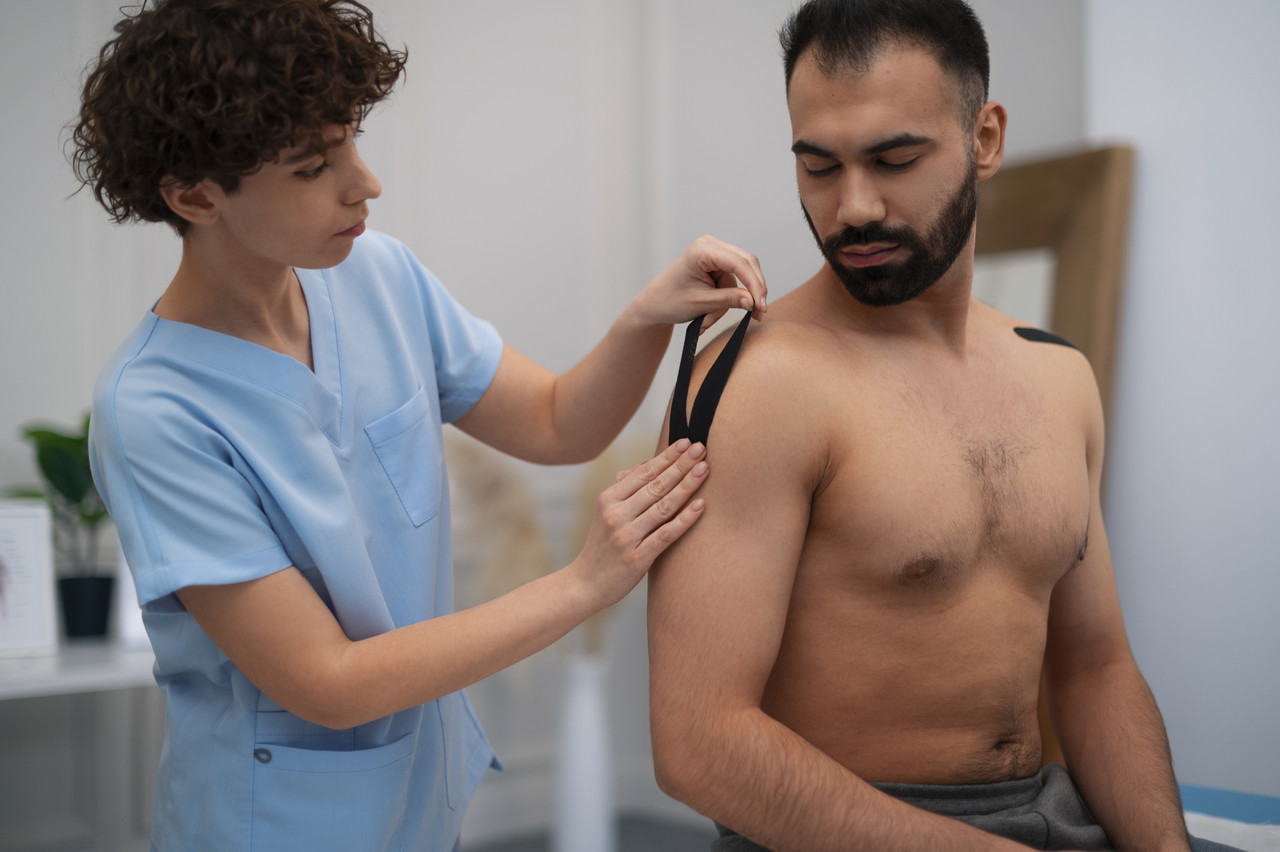
Proactive Health offers physiotherapy, registered massage therapy, kinesiology, and fascial stretch therapy. Treatment methods include manual therapy and therapeutic exercise, and patients can follow home exercise programs between appointments. The clinic also uses specialized tests to diagnose shoulder conditions and guide treatment, including physiotherapy for a frozen shoulder.
Proactive Health advises that a healthcare professional assess persistent or worsening pain. Assessment can confirm whether shoulder stiffness reflects adhesive capsulitis or another joint problem. For adults managing diabetes, the meta-analysis’s prevalence figures make shoulder changes a relevant topic to discuss at routine health appointments.
The Proactive Health team includes a registered physiotherapist and several registered massage therapists. David Kemp, a kinesiologist and Level 3 fascial stretch therapist, owns the clinic. Its stated mission is to teach clients a proactive approach to health and wellness and to create lasting change.
###
For more information about Proactive Health, contact the company here:
Proactive Health
David Kemp
+16042423633
proactivehealth.online@gmail.com
13351 Commerce Pkwy Unit 1128, Richmond, BC V6V 2X7, Canada


