
Key Takeaways
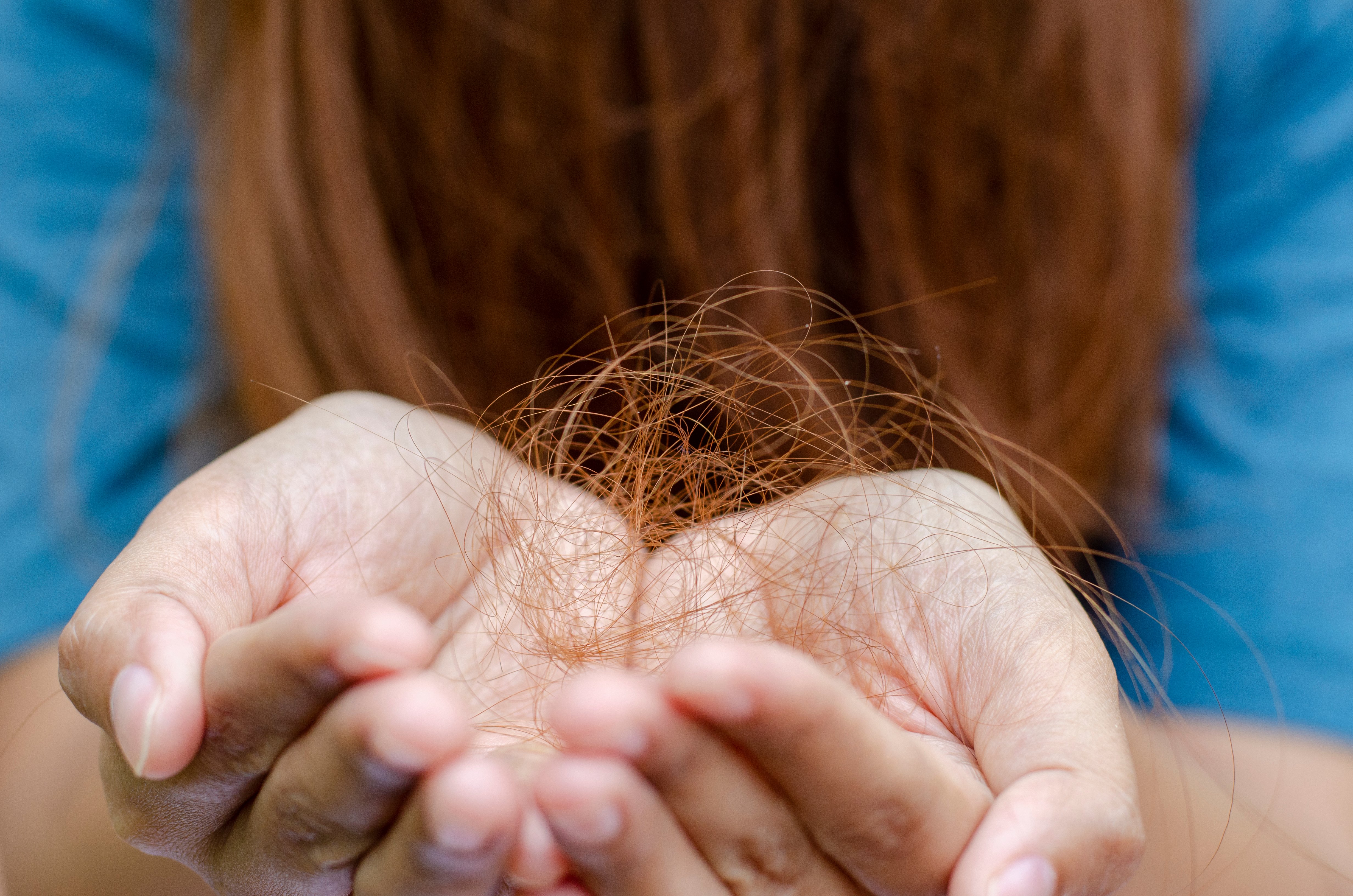
- Hair thinning is a common sign of thyroid problems and can show up on the scalp, eyebrows, and eyelashes.
- Low thyroid hormone levels push hair follicles into a resting phase, causing diffuse shedding across the whole scalp instead of isolated bald spots.
- Hashimoto’s thyroiditis, iodine deficiency, thyroid surgery, and certain medications are among the most common triggers behind hypothyroid-related hair loss.
- Hair regrowth after hypothyroidism is usually a gradual process, with visible improvement often taking several months and fuller recovery sometimes stretching toward a year or more.
Noticing more hair in the shower drain or on the pillow can be unsettling, especially when nothing else about a daily routine has changed. For many people, that unexplained shedding turns out to be connected to something happening deep inside the body: the thyroid gland. Understanding why thyroid problems trigger hair loss, and what can realistically be done about it, helps turn a confusing symptom into a manageable part of recovery.
Why Thyroid Problems Trigger Hair Shedding
The thyroid is a small, butterfly-shaped gland in the neck, but its influence reaches nearly every system in the body, including hair growth. It produces two hormones, T3 and T4, that help regulate metabolism, energy, and cell turnover, including the turnover of cells inside hair follicles. When thyroid hormone levels drop too low, a condition known as hypothyroidism, the body slows down in ways that are not always obvious at first. Hair follicles are especially sensitive to this slowdown because they rely on steady hormone signals to stay in their active growth phase.
Hair thinning is a common sign that a thyroid issue has developed, and it can appear alongside fatigue, weight changes, or mood shifts. It can affect more than the scalp, showing up in thinner eyebrows, sparser eyelashes, and hair that suddenly feels dry, coarse, or brittle to the touch. For anyone piecing together unexplained shedding alongside other subtle symptoms, this pattern is often the detail that points doctors toward a thyroid panel. Trybello has covered this connection in detail, offering guidance on hair loss due to hypothyroidism that walks through both the causes and the regrowth process step by step.
Because the hair growth cycle takes months to complete, the shedding tied to a thyroid imbalance rarely shows up immediately. It tends to surface gradually and can even intensify during stretches when the thyroid condition goes untreated, which is part of why so many people struggle to connect the dots between their hair and their hormones.
How Low Thyroid Hormone Disrupts Hair Growth
Hair does not grow in one continuous stream. Every strand cycles through distinct phases, and thyroid hormone plays a direct role in keeping that cycle moving the way it should.
The Hair Growth Cycle and Telogen Effluvium
Each hair follicle moves through an active growth phase called anagen, a short transitional phase, and a resting phase called telogen, when the hair eventually sheds to make room for new growth. Thyroid hormones help regulate this cycle by supporting cellular metabolism and blood flow to the follicles. When hormone levels drop, a larger-than-usual number of follicles can be pushed prematurely into the resting phase all at once, a pattern known as telogen effluvium. Because those hairs shed together rather than on their usual staggered schedule, the result is a wave of noticeable thinning rather than the slow, steady shedding that happens in healthy hair growth.
Diffuse Thinning Versus Bald Patches
One helpful clue in figuring out whether hypothyroidism is behind hair loss is the pattern it creates. Hypothyroid-related shedding is typically diffuse, meaning it spreads evenly across the entire scalp rather than forming distinct bald patches or a receding hairline. Hair often appears uniformly sparse rather than missing in one concentrated spot, and eyebrows may thin along the outer edges as well. This is different from conditions like alopecia areata, which produces circular patches of hair loss, though the two can sometimes occur together since autoimmune thyroid disease raises the likelihood of other autoimmune skin conditions.
Root Causes Behind Hypothyroid Hair Loss
Hashimoto’s and Autoimmune Follicle Attacks
Hashimoto’s thyroiditis is the most common cause of hypothyroidism in developed countries, and it happens when the immune system mistakenly attacks the thyroid gland, gradually reducing its ability to produce T3 and T4. What makes Hashimoto’s particularly tricky for hair health is that the same autoimmune activity can also affect hair follicles directly, sometimes causing shedding to continue even when standard hormone tests come back within normal range. Testing for thyroid peroxidase antibodies and thyroglobulin antibodies can help confirm an autoimmune cause and explain shedding that persists despite seemingly “normal” lab work.
Iodine and Nutritional Deficiencies
Iodine is a building block the thyroid needs to manufacture its hormones, and when iodine intake runs low, hormone production slows down along with it. A deficiency of iodine can trigger the same diffuse thinning and shedding pattern seen in other forms of hypothyroidism. Nutritional gaps do not stop at iodine, either; several other nutrients support both thyroid activity and follicle health, and falling short on them can compound existing hair thinning or contribute to shedding on their own.
Thyroid Surgery and Certain Medications
Surgical removal of the thyroid, known as a thyroidectomy, causes hormone levels to drop suddenly rather than gradually, and noticeable hair loss often follows within 2 to 3 months of the procedure. Certain prescription medications can have a similar effect by suppressing thyroid function, including some mood stabilizers, heart rhythm medications, and immunosuppressants. In these situations, restoring hair growth usually depends on properly managing thyroid hormone replacement, even if the original medication needs to continue for other health reasons.
What to Expect on the Regrowth Timeline
Why Shedding Continues After Treatment Starts
It can feel counterintuitive, but many people notice shedding continue or even increase during the first two to three months after starting thyroid hormone replacement. This does not mean the treatment is failing. Hairs that were pushed into the resting phase during the hormonal disruption still need to complete that cycle and fall out before new growth can take their place. Meanwhile, stabilizing hormone levels are already signaling dormant follicles to shift back into active growth beneath the surface, so the process of shedding old hair and forming new hair happens in parallel, even though only the shedding is visible at first.
Signs Hair Is Entering Active Regrowth
The first sign of progress is usually the appearance of fine, short hairs along the hairline or part, often called “baby hairs,” which signal that follicles have re-entered the anagen phase. From there, overall shedding tends to slow, and the new hairs gradually lengthen and thicken over several months. A general timeline looks something like this:
- Early phase: Hormones begin stabilizing, and follicles receive renewed growth signals, though shedding may still continue.
- Follicle formation: New follicles start developing beneath the scalp while older hairs continue to fall out.
- Initial regrowth: Fine new hairs emerge, and shedding noticeably slows down.
- Active growth: Regrown hairs lengthen, with visible improvements in thickness and volume.
- Full restoration: Hair density moves back toward pre-loss levels as complete growth cycles finish.
Individual timelines vary depending on how long the thyroid condition went untreated, the severity of the hormone deficit, whether Hashimoto’s antibodies are present, and how well nutritional needs are being met alongside hormone therapy.
Hypothyroid Hair Loss Is Usually Reversible
The most reassuring fact about hypothyroid-related hair loss is that the follicles themselves are rarely destroyed. In most cases, they are simply pushed into a temporary resting state, which means regrowth is the expected outcome once hormone levels are properly managed. Permanent hair loss from hypothyroidism is uncommon and tends to happen only in cases involving prolonged untreated thyroid disease, pre-existing genetic hair loss, or significant nutritional deficiencies left uncorrected. For those ready to start building that routine, natural hair regrowth support can be a helpful next step toward stronger, fuller hair over time.
Trybello LLC
40 SW 13th St
Ste 902
Miami
Florida
33130
United States


